
CASE HANDLING - PREVENTIVE CARE
For best results, store frozen dough products at-10°F.
A certain amount of temperature fluctuation during frozen storage is unavoidable. Example, removing product from the freezer, to room temperature to prep product for the next day’s bake, then remaining product goes back to the freezer.
Ice crystal growth occurs immediately at temperatures close to the dough’s freezing point. Temperature fluctuation leads to the melting of small ice crystals on the dough surface and the formation of larger ice crystals, a process known as recrystallization. Major and repetitive temperature fluctuations will shorten the shelf life, performance, and quality of the dough.
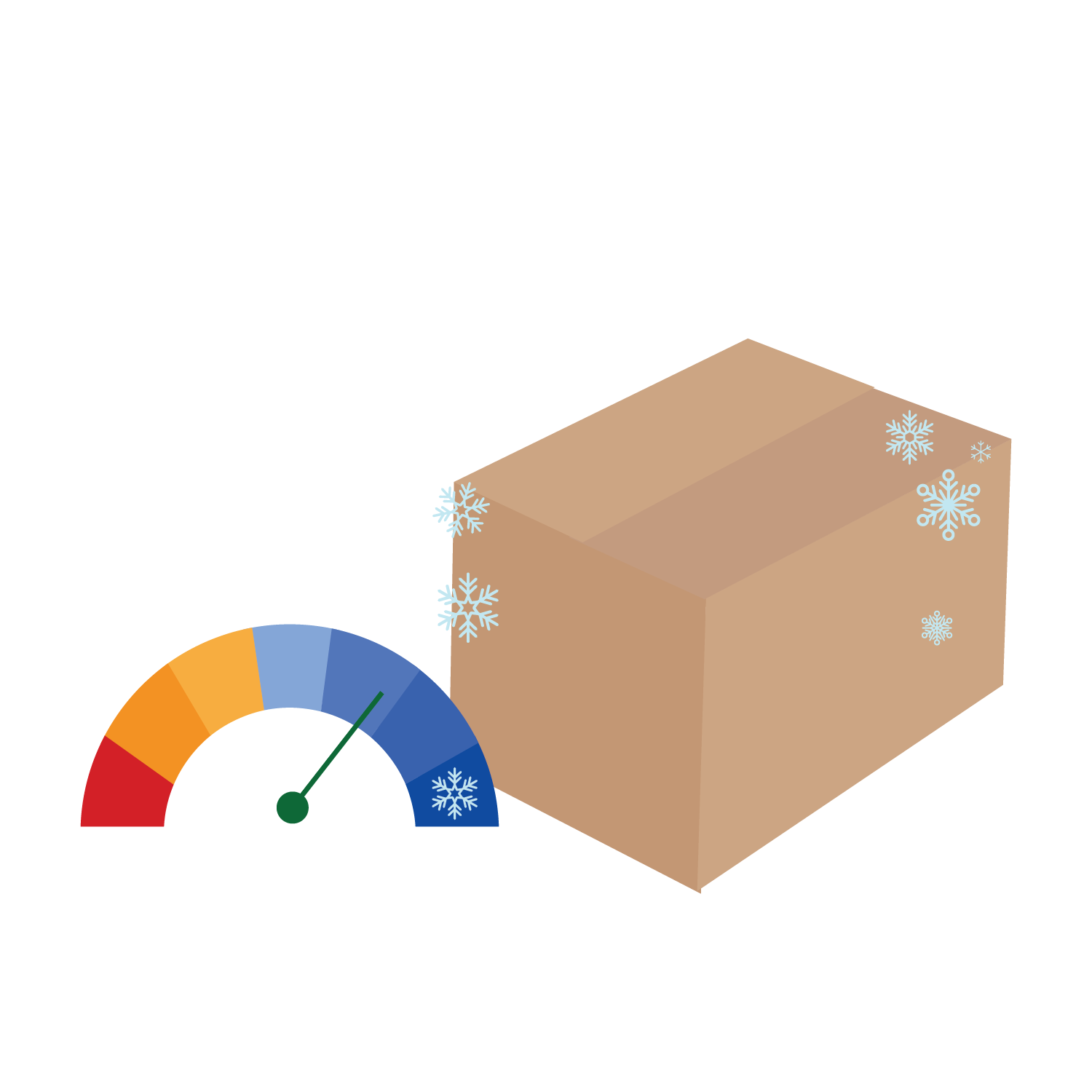
At Guttenplan's, we are dedicated to ensuring the highest satisfaction of our valued customers by prioritizing product quality. The following information is provided to assist you in maintaining the peak quality of your product during its use.
Temperature Requirements:
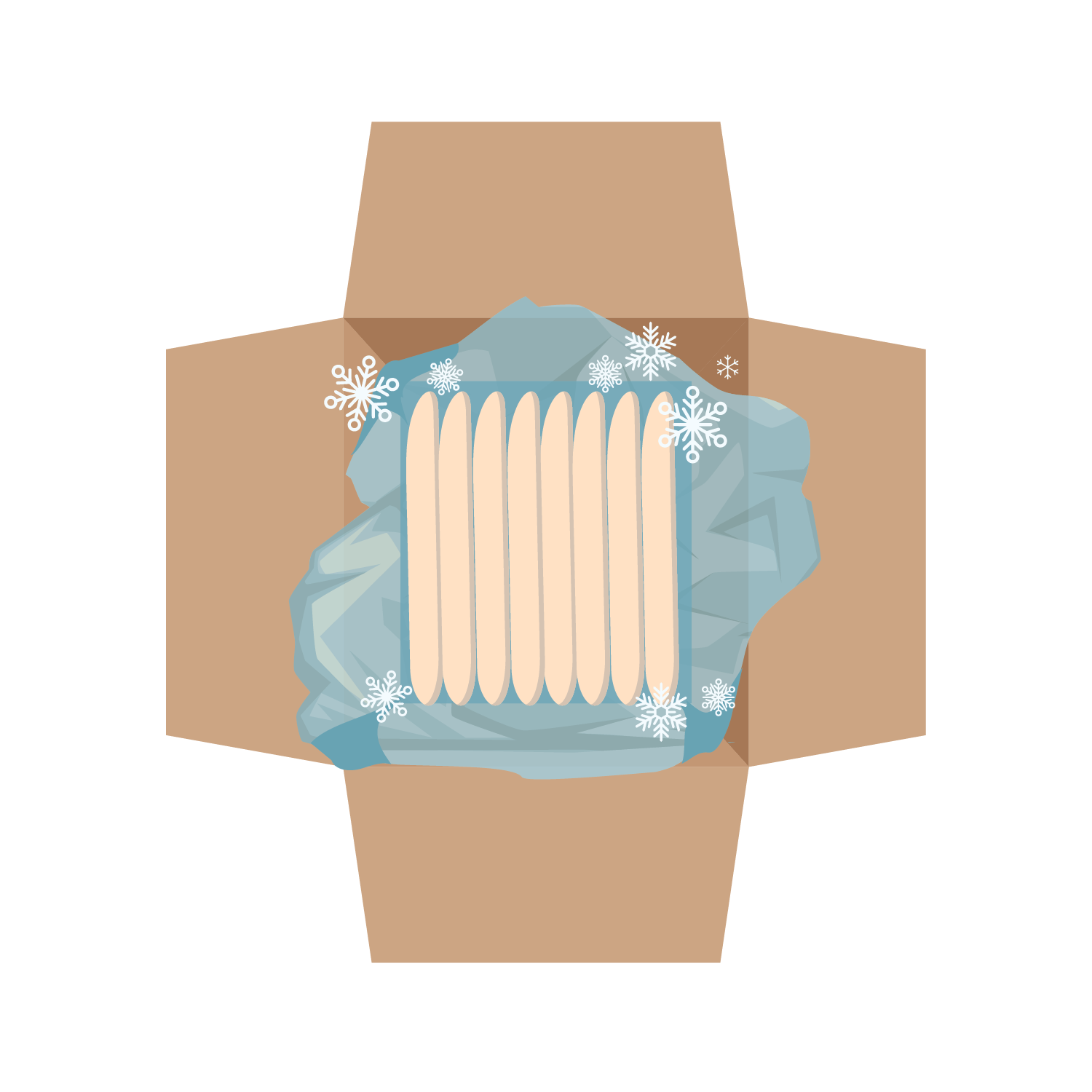
Visual Indicators:
• Discolored/patchy colored dough
• Ice crystals/frost
• Product pieces stuck together

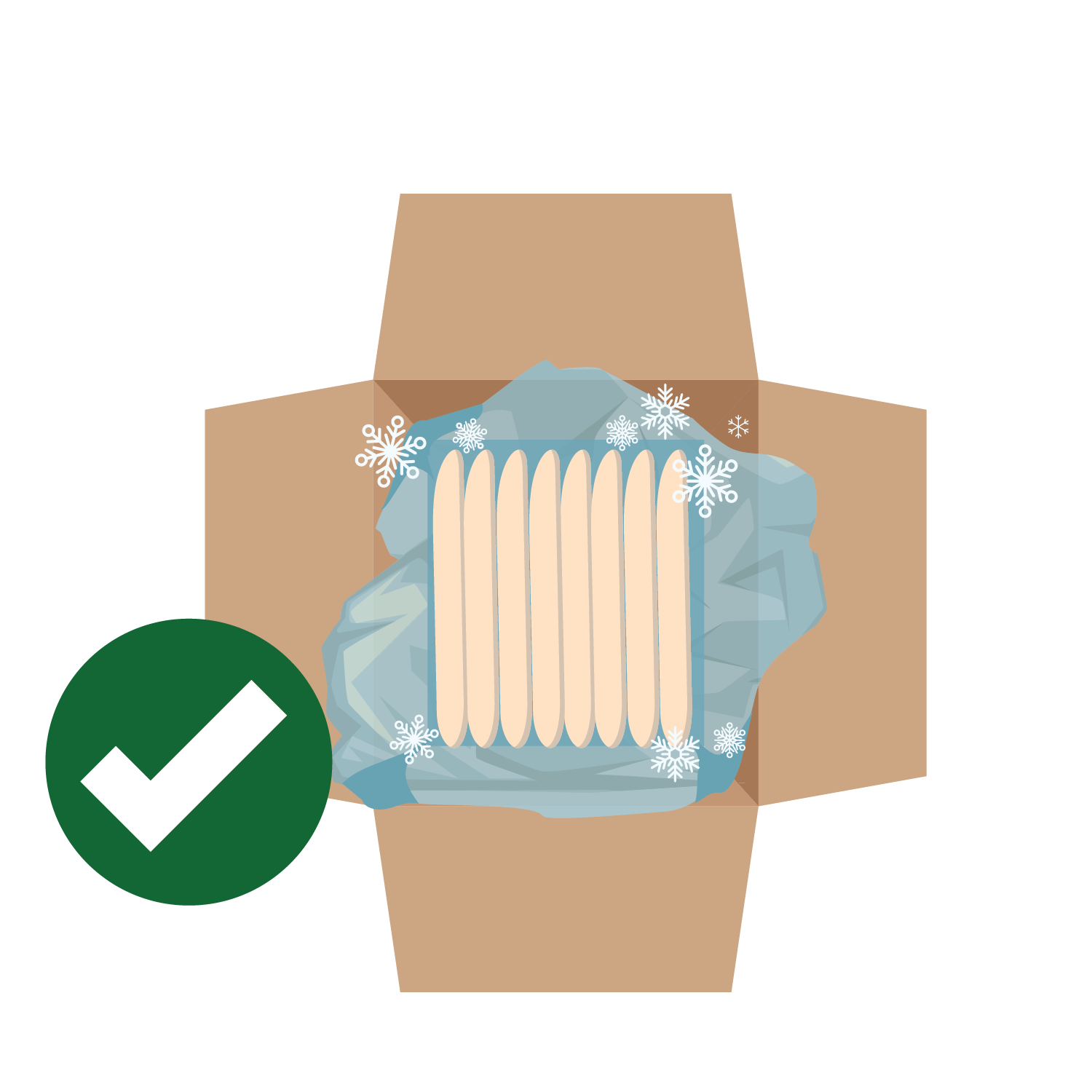
Proof/Bake Indicators:
• Extremely slow to proof/rise, if at all
• Low volume/dense texture
• Poor coloring/browning
• Unpleasant sour taste

Proper Closure and Sealing:

To combat temperature fluctuations, fold the inner bag closed, close case flaps to interlock, and stack neatly and follow rotation guidelines.

Closing the bag and case / box properly helps reduce the flow of warmer air and additional moisture.
Return unneeded products to the freezer quickly or take a food safe container into the freezer to retrieve product needed, leaving remaining product safe in the freezer.
Additional Info:
Check in-house freezer for proper temperatures, defrost cycles, and sanitation.